
Category: News
Categories
New ICDP project in Pernanbuco
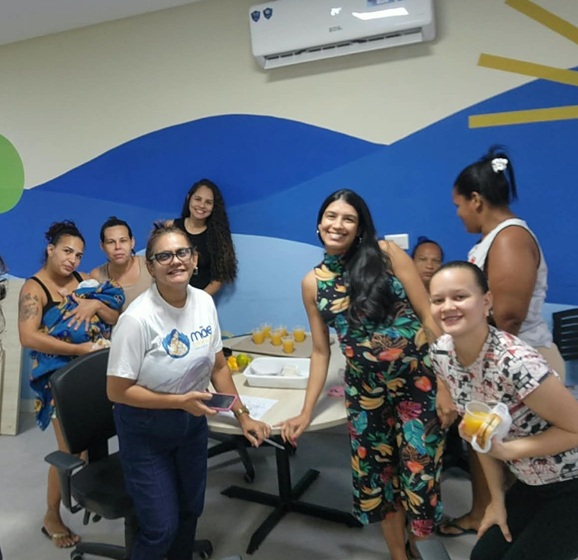
When the way we observe changes, the relationship changes: the experience of the ICDP with professionals and families in Ipojuca
A mother observes her three-year-old daughter playing alone. Before, when faced with behavior that she considered inappropriate, her reaction could be immediate: speak harsherly, correct, scold. Now, something happens between the child’s behavior and her own response. She stops. Observes. Tries to understand.
“I have this rigid side …and my daughter is calm and quiet. When I want to talk tough and I see her playing alone, that’s where I take time, and now I communicate in a softer way, she has her way of communicating, I see that now.” Participant in Camela’s group, Ipojuca
This small change helps to tell the story of the implementation of the International Child Development Programme (ICDP) in Ipojuca, Pernambuco. An experience that began with the training of professionals and reached the daily lives of mothers and caregivers, proposing something apparently simple, but fundamental: looking at the child as a person — someone who feels, desires, expresses and communicates with the adults who take care of him.
It is in this daily encounter between adults and children that the ICDP seeks to produce change.
The project was born with the proposal to support the implementation of the ICDP methodology I am a person with the Mãe Coruja do Ipojuca Program, strengthening municipal actions aimed at early childhood. To this end, it articulated training of professionals, implementation of the methodology with families, updating of the material for multipliers and actions aimed at expanding the experience.
Between August 6 and 14, 2026, 20 professionals from the areas of Health, Education, Social Assistance, and the Mãe Coruja Program of Ipojuca participated in the training in the ICDP methodology. They were teachers, pedagogical coordinators, psychologists, nurses, social workers, and other professionals who, from different public services, are part of the lives of children and their families.
The proposal was to prepare them to apply the methodology with families served at health centers, schools, social assistance services and by the Mãe Coruja Program. Training was at the center of the strategy designed for Ipojuca: to qualify professionals to understand and experience the ICDP and, later, to conduct the methodology with families of children up to six years old.
Categories
Training in Parainen, Finland
August 2026
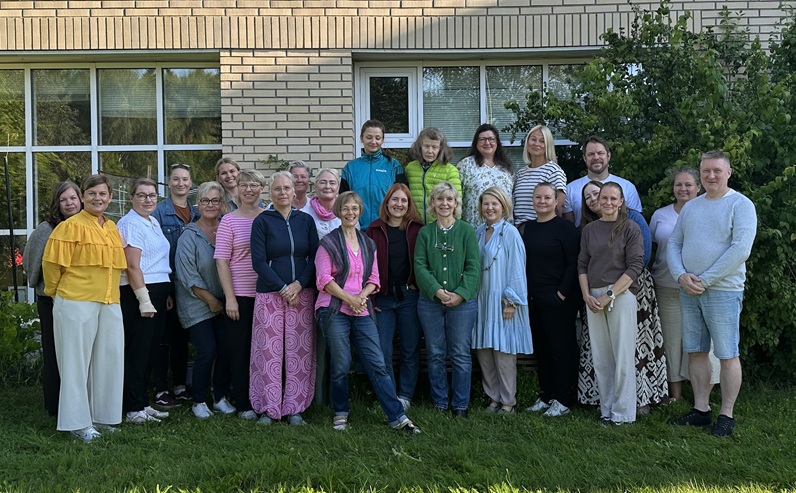
The wellbeing services county VARHA in collaboration with the town of Pargas/Parainen early childhood education and care have completed yet another ICDP basic training.
Twenty-two professionals (on photo above) from family services and teachers from early childhood education had four insipiring days around the ICDP dialogues and themes. We also contemplated the importance of non-hurried interaction and the need for us to nurture the smallest gestures of democracy when meeting our clients as fellow travelers in life.
Educators Jaana Tirkkonen and Petra Zilliacus are again grateful for the opportunity to explore ICDP in such a thoughtful and playful group.
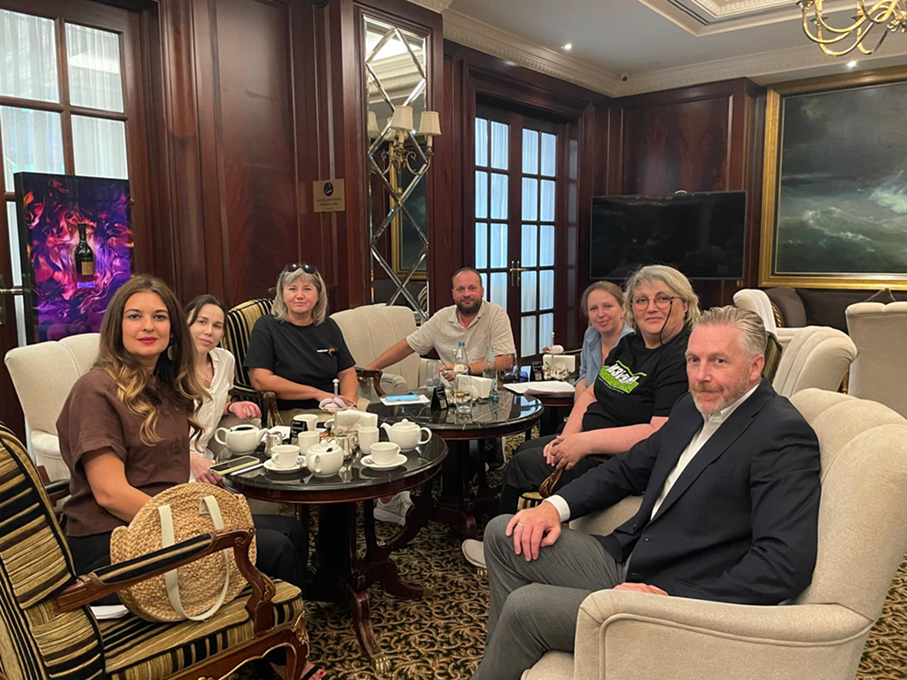
Tatiana Armstrong, a member of the ICDP Board, recently met with a group of experienced ICDP facilitators in Ukraine— Galyna and Nicolai Khomchenko, Svitlana Sichkar, and Tatiana Kudko—to discuss their work, the challenges of delivering the programme during wartime, and opportunities for future collaboration.
The meeting focused on learning more about each facilitator’s experience with ICDP and documenting their stories. The discussion also explored the resources facilitators need to strengthen their work, including whether grant funding could help expand the programme’s reach across Ukraine.
A key theme of the conversation was how ICDP has adapted to the realities of the ongoing conflict. The facilitators described the significant challenges of organising group sessions, with security concerns and wartime disruptions making in-person meetings increasingly difficult. As a result, much of their work has shifted towards online and individual support.
They also highlighted that caregivers now often require additional emotional preparation before they are ready to engage with the ICDP programme. Facilitators are spending more time helping participants regulate stress and build emotional readiness before beginning the parenting sessions.
One particularly encouraging development is a pilot programme supporting the families of military service personnel. The facilitators reported that ICDP has proven to be an effective approach for helping families prepare for and support the reintegration of service members into family life and the wider community.
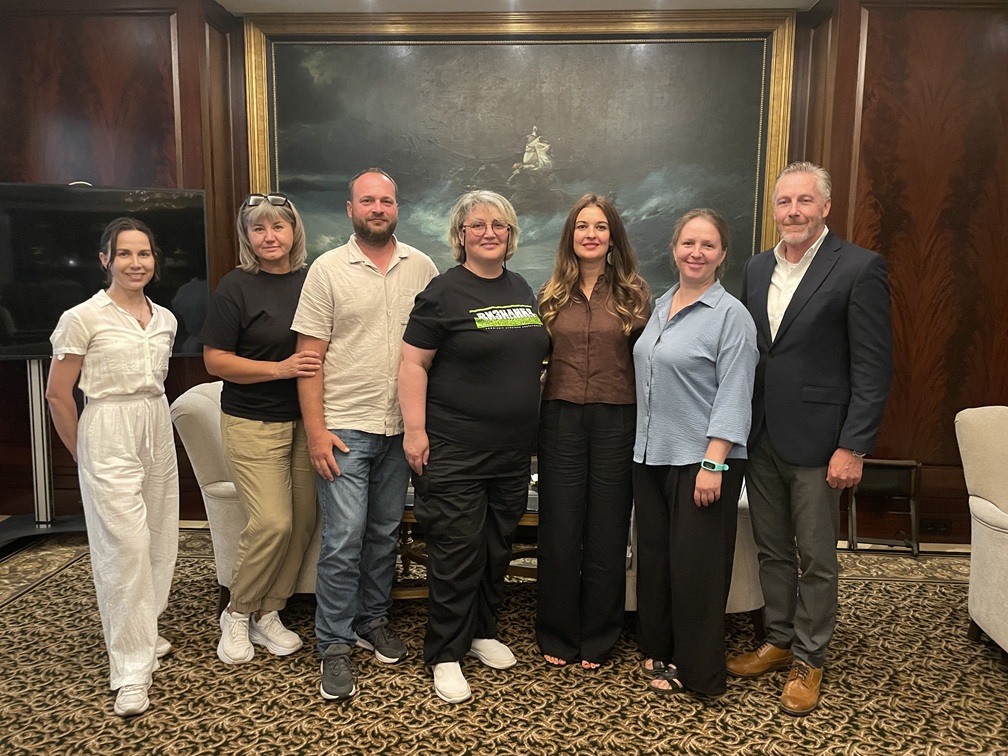
The meeting concluded with three key priorities for future action:
Support the translation of ICDP materials into Ukrainian to improve accessibility.
Organise a national meeting of ICDP facilitators in Ukraine to strengthen collaboration and knowledge sharing.
Engage with the network of WeCare Centres and other Ukrainian NGOs to explore partnerships that could expand the delivery of ICDP through their existing community support networks.
The discussion reinforced the resilience and commitment of ICDP facilitators working in challenging circumstances and highlighted practical opportunities to strengthen the programme’s impact across Ukraine.
Categories
Training in Mangochi
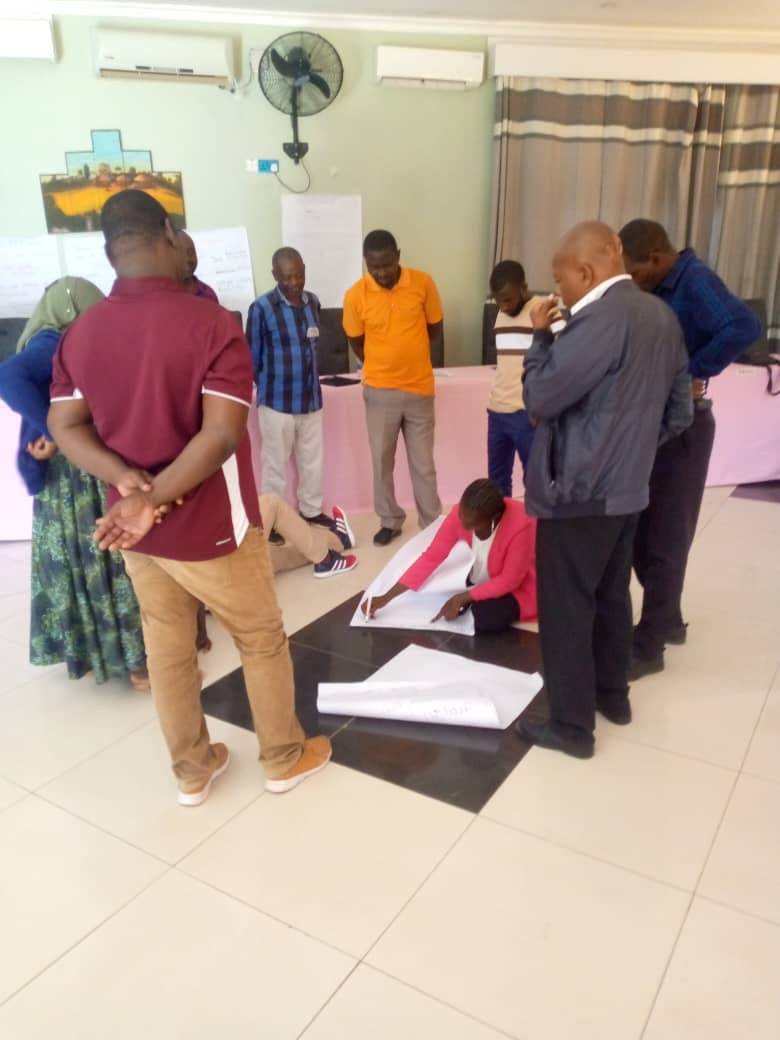
Louis Malajira is an ICDP certified Trainer from Malawi, who has been training caregivers and facilitators since 2009. His work was supported by the Norwegian Church Aid (NCA).
From the 22nd to the 25th of June 2026, Louis and his colleagues conducted an ICDP training for caregivers in Mangochi. It was organized by NCA with their partner MEJN.
Louis shared photos from this event:
On the photo above: Group work on guideline 1, writing down ways you can show love to your child
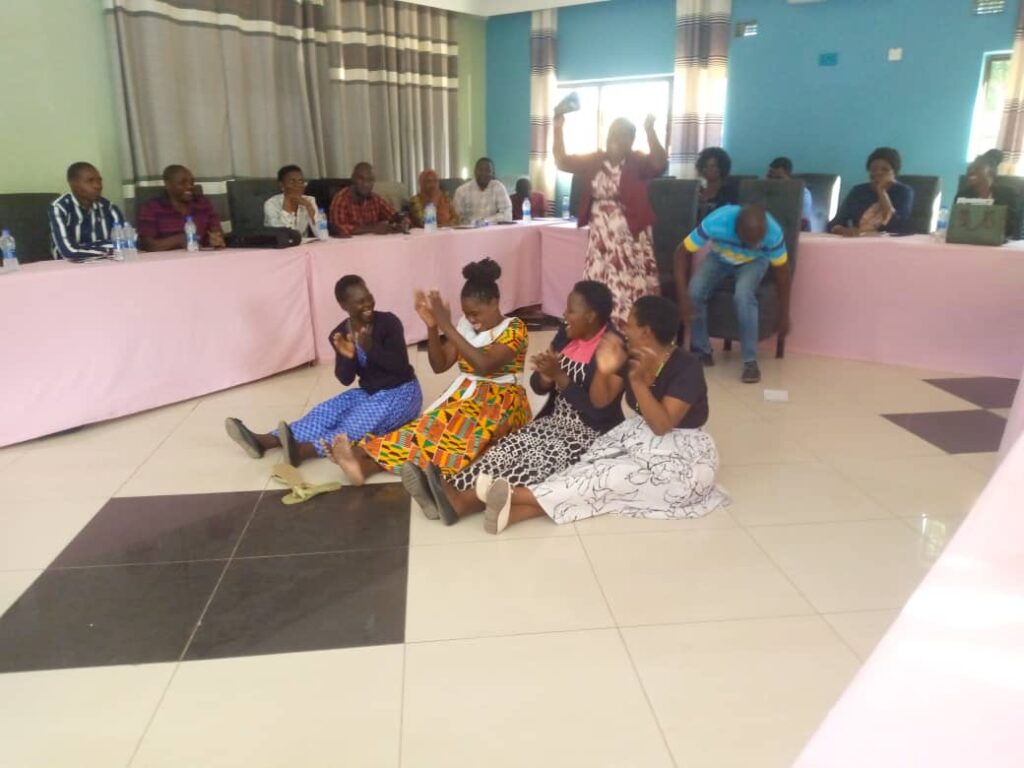
On the photo below: Role play on guidelines 4, giving praise and acknowledgment
Categories
Evaluation by Polish trainees
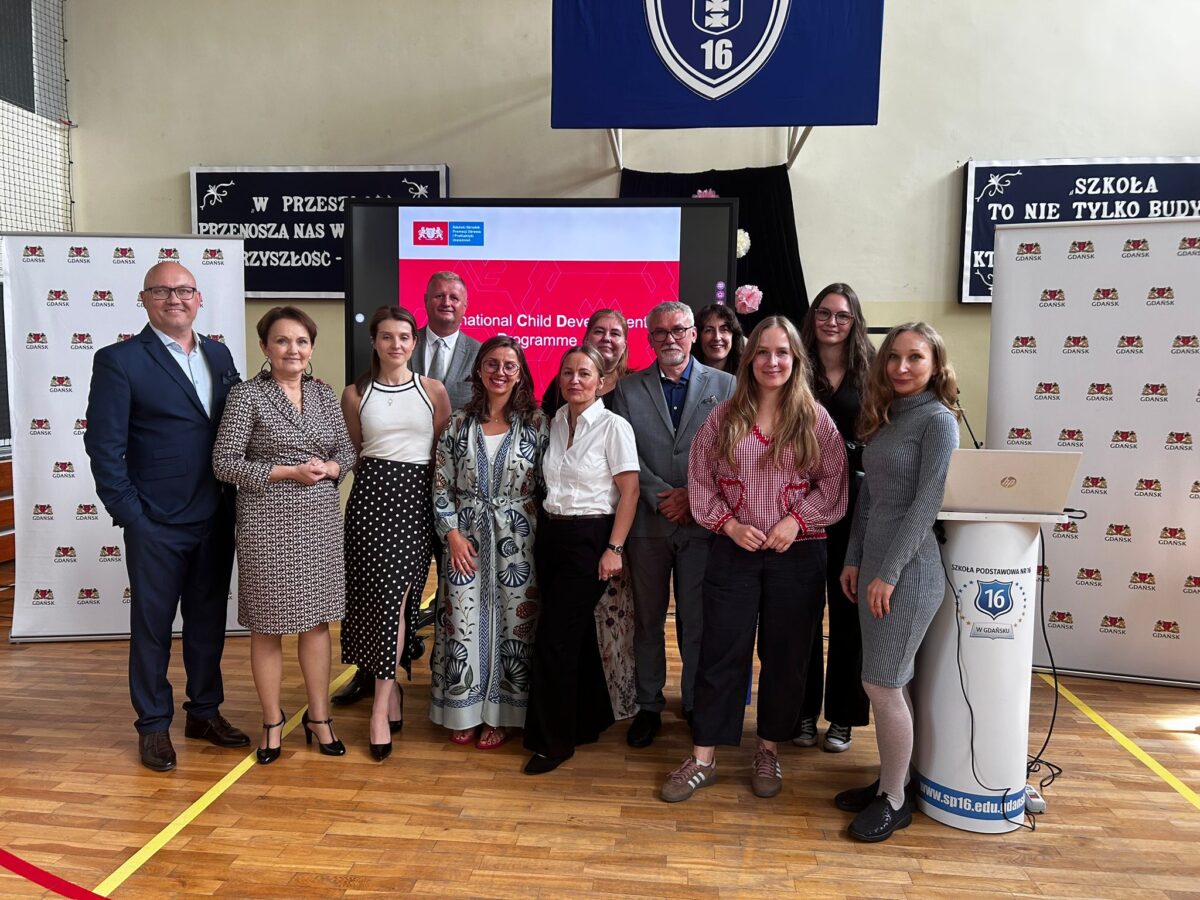
Anna Baranowska reports from the Gdansk Centre for Health Promotion and Addiction Prevention (GOPZiPU):
It was a great pleasure for us to lead the ICDP workshops.We had two groups—preschool teachers, elementary school teachers, and caregivers at childcare and educational facilities— as well as one online group (Lidia’s and Iza’s groups).
We promoted the ICDP Course during the conference “Parents and Teachers on the Front Lines of Support.”
Past events included conferences at schools for parents and teachers.
On 21st of May 21 and on the 9th of June 9, 2026, a total of 104 people participated in these events.
Photos on Facebook – https://www.facebook.com/ZdrowyGdansk
We plan to have newgroups starting in September 2026, including one online group for daycare center staff in Gdańsk, and two groups for preschool and early elementary school teachers.
Read the evaluations from participants.
Update on the training in 2026.
Key figure: 12 out of 12 respondents (100% “YES”) would strongly recommend the ICDP group to other parents/caregivers — a remarkably unanimous result for a tool as subjective as an evaluation survey.
The most moving passage comes from one participant, who described a concrete, tangible change in her relationship with a child: the boy began approaching her, hugging her, sitting on her lap, and telling other children “that’s my auntie.” At the start of the course, this relationship was marked by considerable distance. Over time, as the caregiver paid even closer attention to how she engaged with the child, she began to observe tangible shifts in the caregiver–child bond within just a few weeks.
Categories
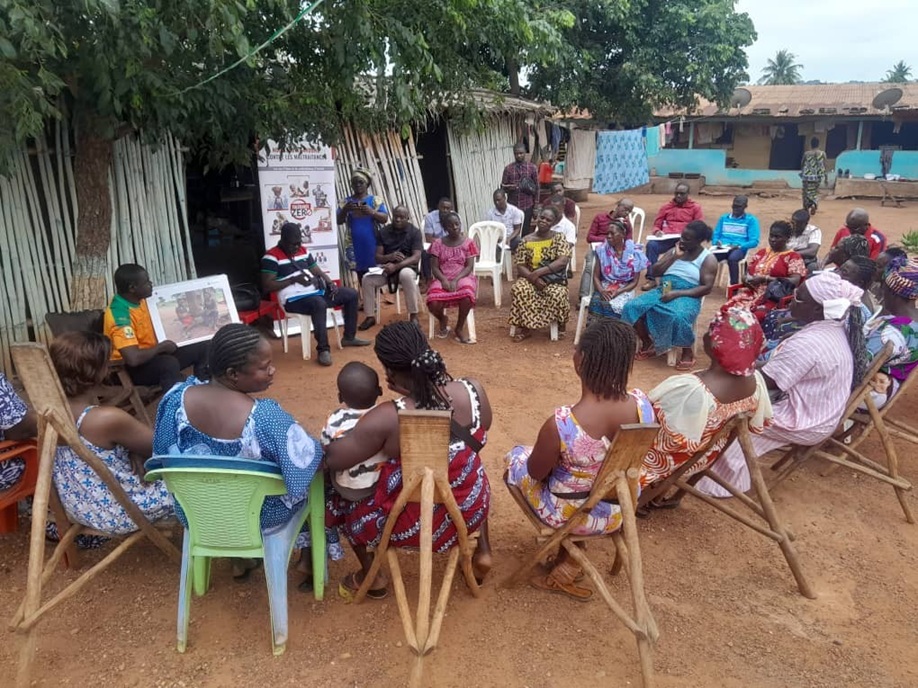
Workshop in Abengourou
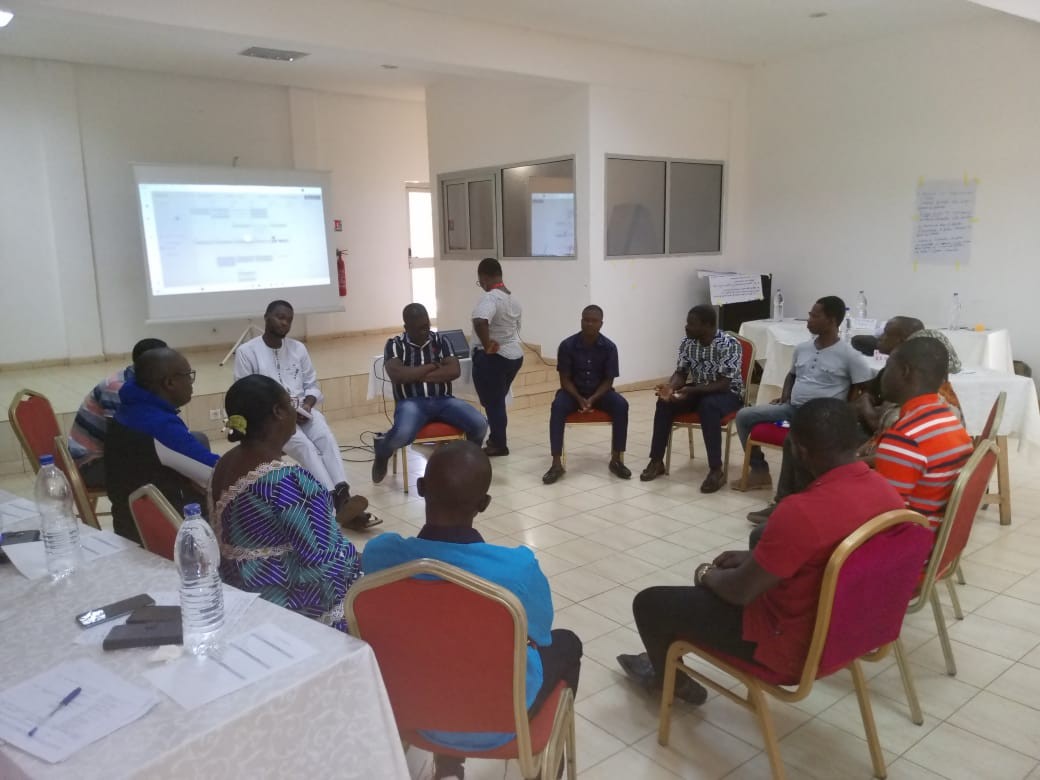
Read report from ICDP trainer Aubin Sanou.
BACKGROUND
Save the Children International (SCI) is an independent organization that is a leader in the promotion and protection of children’s rights around the world. Our mission is to inspire real change in the way the world treats children and achieve immediate and lasting change in children’s lives; And our vision is a world where every child realizes the right to survival, protection, development and participation. Our values are: ACCOUNTABILITY – AMBITION – COLLABORATION – CREATIVITY – INTEGRITY.
Since 1992, it has been carrying out actions through various projects in Côte d’Ivoire to improve the level of protection of children as well as the living conditions of communities.
In this dynamic, SCI has been implementing a project related to the theme of “child-sensitive social protection” since January 2022, in the departments of Bondoukou and Tanda in partnership with the local NGO Soleil Levant/Education.
Funded by the Ministry of Foreign Affairs of Finland, the main objective of the project is to strengthen the social protection system in Côte d’Ivoire and contribute to an improved and inclusive well-being of children in the departments of Bondoukou and Tanda.
In concrete terms, in the long term, the main impact of the interventions should be an improvement in the well-being of children through the strengthening of the child-sensitive aspect of other social protection programmes in the Gontougo region.
For a greater impact at the national level, an advocacy plan has been developed and validated with the Ministries of Women, Family, and Children, the Ministry of Employment and Social Protection, media and NGO partners as well as the regional directorates representing the two ministries mentioned above based in Gontougo.
The advocacy axis approved by all stakeholders is the follow-up ” Bring decision-makers to integrate the ICDP approach into the training modules of social workers in Côte d’Ivoire by the end of 2025″.
Categories
ICDP article in Ukrainian journal
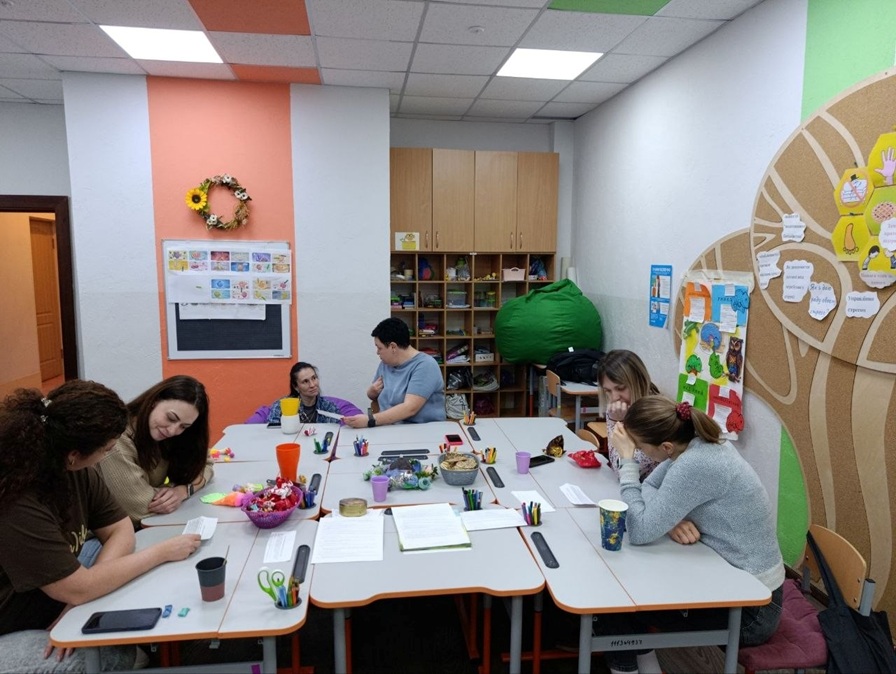
In December 2025, an article by Anna Krasina, Head of ICDP Ukraine, was published in the academic journal Bulletin of Academician Stepan Demianchuk International University of Economics and Humanities. Series: Pedagogy and Psychology (Вісник Міжнародного економіко-гуманітарного університету імені Академіка Степана Дем’янчука. Серія: Педагогіка та психологія)
Krasina H. V.
Family and Child in Wartime Conditions: Psychosocial Support Based on the International Child Development Programme Model
Annotation
The article presents a theoretical analysis of the psychosocial needs of children, adolescents, and families living in the context of war, and substantiates the potential of the International Child Development Programme (ICDP) as a model of support in crisis conditions. Based on a synthesis of Ukrainian and international studies, the paper demonstrates that a considerable proportion of children exhibit signs of psychological traumatization, anxiety symptoms, impaired self-regulation, and behavioural difficulties. At the same time, families face emotional exhaustion, loss of stability, reduced internal resources, and deterioration of parent–child interaction. The article outlines the key tasks of psychosocial support and emphasizes the importance of interdisciplinary approaches that integrate psychological, social, and educational interventions. Particular attention is given to art therapy methods as a flexible tool for emotional stabilization and for restoring the connection between the child and the caregiver. The conceptual foundations of ICDP, grounded in emotionally attuned interaction, sensitive responsiveness, and supportive dialogue, are analyzed. The article concludes that the integration of this model into work with families affected by traumatic events is advisable, given its humanistic orientation, cultural adaptability, and demonstrated potential to enhance the quality of parent–child relationships.
Links to publication:
https://orcid.org/0000-0001-7075-5183
https://journals.megu.rovno.ua/index.php/ped-psyh/article/view/147
******
Categories
Annual report 2025
Categories
Activities of ICDP Ghana
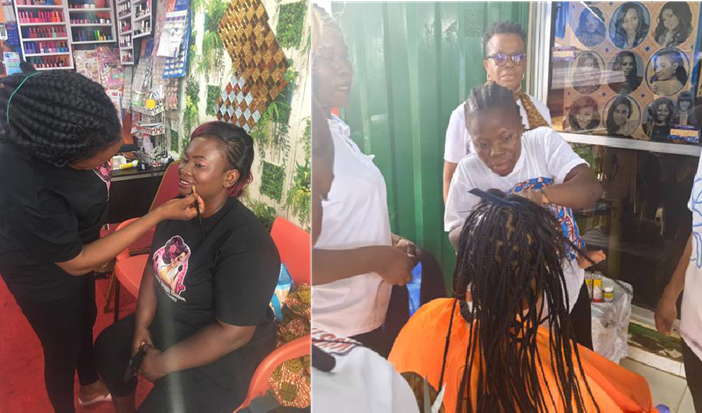
“ICDP Ghana have incorporated the ICDP prorgramme into their trainings of caregivers. In all our various programmes’ activities we add the ICDP caregiving practices emphasizing the empathy based approach to care.” – – ICDP Ghana leader, Joyce Larnyoh.
Highlight from the ICDP Ghana report:
In 2025, ICDP Ghana consolidated its role as a programme-focused organisation delivering evidence-based, empathy-driven interventions to improve outcomes for children, caregivers, women, and adolescents. Through strategic partnerships with government institutions, international organisations, educational bodies, and community stakeholders, ICDP Ghana implemented and advanced programmes in maternal and child health, education, child protection, adolescent development, digital and vocational skills development, social and emotional learning (SEL), and STEM education.
Key initiatives such as SafeStart, D.A.R.E, O3, Think Equal Social and Emotional Learning, and the SeedScience Project reflect ICDP Ghana’s holistic approach to human development. These interventions combined direct service delivery with capacity building, systems strengthening, and national-level engagement, reaching thousands of direct and indirect beneficiaries across multiple regions.
Across all interventions, ICDP Ghana prioritised systems strengthening, community ownership, and national readiness, ensuring that programmes are not only impactful at the community level but also positioned for scalable and sustainable implementation.
SAFESTART – IMPROVING MATERNAL & EARLY CHILDHOOD HEALTH
SafeStart is a maternal and early childhood health initiative focused on early detection of pregnancy-related risks, improved access to quality maternal services, and strengthened caregiver–child wellbeing in underserved communities. The project delivers portable ultrasound diagnosis and maternal health education directly within rural and peri-urban communities in the Eastern Region, reducing barriers to care caused by distance and cost.
In 2025, SafeStart continued its implementation phase, building on activities initiated in 2024. The programme strengthened community-level access to antenatal services while reinforcing health-seeking behaviours through continuous engagement with caregivers, community leaders, and frontline health workers.
As part of this engagement, pregnant women, mothers and caregivers were guided using ICDP’s empathy-based approach, with the 8 guidelines forming the foundation for nurturing, responsive and supportive parenting practices. Key outcomes:
- Active service delivery across six communities: Kitase, Pokrom, Adamorobe, Konkonuru, Brekuso, and Ahwerase.
- Provision of portable ultrasound screenings integrated into routine antenatal check-ups.
- Ongoing community mobilisation to improve prenatal services to women
- 1,000+ pregnant women screened and supported.
- 100% referral for identified high-risk pregnancies to health facilities.
- Improved uptake of antenatal services and increased trust in community-based maternal care.
SafeStart has significantly reduced barriers to maternal health and strengthened early risk identification, contributing to healthier pregnancies and stronger foundations for post-natal care.